
Why a Solana browser wallet feels like the missing key—and how to use it without frying your funds

Whoa! This started as a small curiosity. I was poking around Solana dApps one evening and kept bumping into UX quirks that made me hiss a little. My instinct said, “There has to be a better way to manage keys, tokens, NFTs, and DeFi interactions from the browser.” Initially I thought browser wallets were just lightweight keystores, but then realized they can actually shape your whole on-chain workflow—and that matters more than most people realize.
Really? Yeah, really. The browser extension sits between your browser and the blockchain. It injects a provider, manages signatures, and holds your seed locally—so it’s convenient, but also a high-value target for attackers. On one hand the convenience is amazing; though actually, wait—let me rephrase that: convenience without discipline is dangerous, especially in crypto. Something felt off about click-to-sign flows at first. Somethin’ about them felt like handing over keys in a coffee shop—risky, if you’re not careful.
Here’s the thing. A good Solana browser wallet should feel invisible when it works and loud when it doesn’t. It should warn you when a dApp requests weird permissions. It should let you check transaction details without jargon. And it should make recovery and account segregation painless, because nobody likes wrestling with seed phrases at 2 AM. I’m biased toward wallets that nudge users toward safer defaults. This part bugs me when extensions don’t.
Okay, so check this out—what to look for in a Solana browser extension wallet. Short story: security fundamentals first. Medium story: UX and developer compatibility next. Long story: the wallet’s philosophy—how it treats permissions, data, and recoverability—matters for years, not minutes, because you’ll keep using it. There’s a lot of subtlety here, and I’ll walk through the practical bits with some trade-offs and tips.
Core features that actually matter
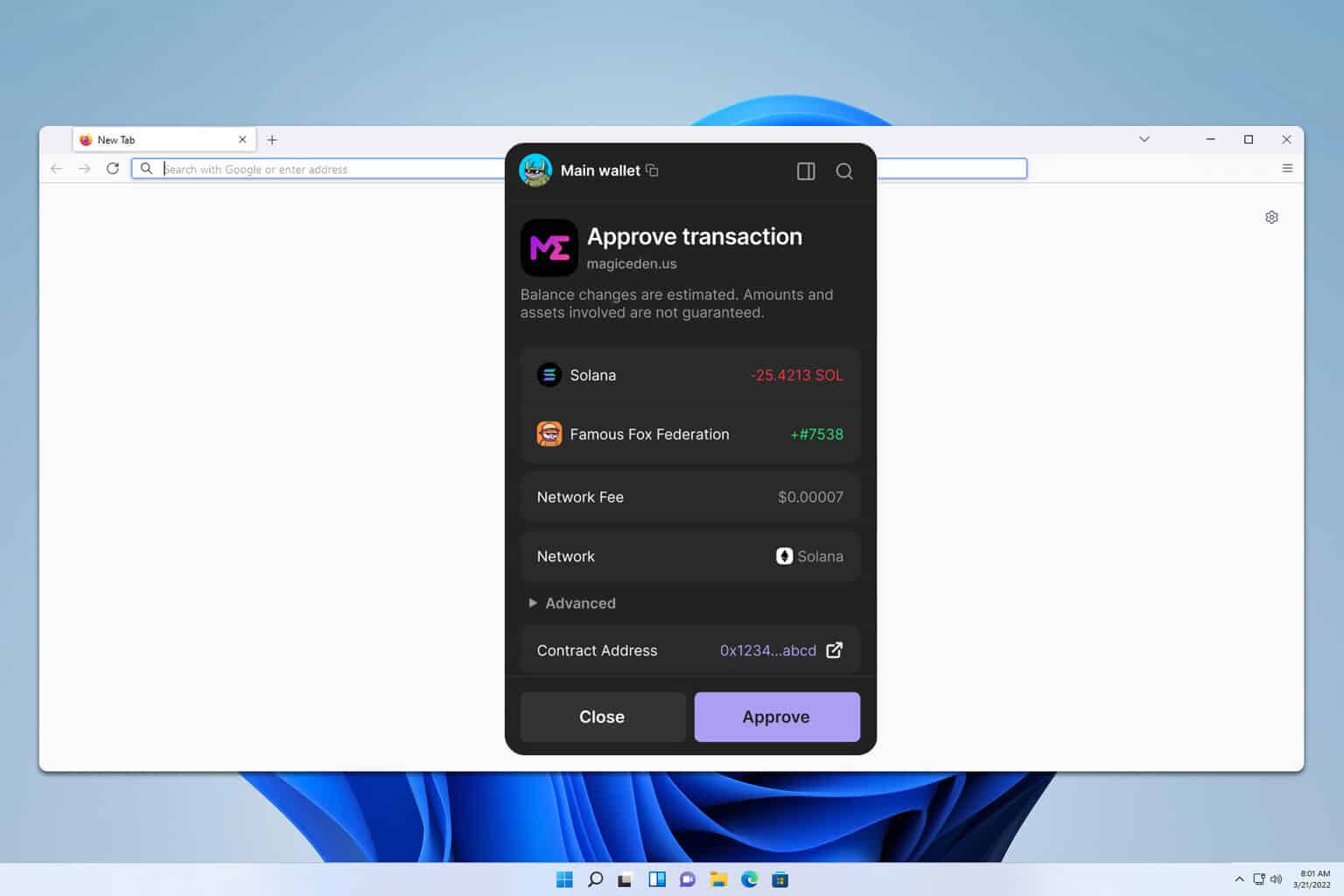
Whoa! Permission prompts are your first defense. If an extension auto-connects to sites without explicit user intent, that’s a red flag. Medium-length description: a trustworthy wallet asks for connection, shows the origin, and displays exactly which account or address will be used. Longer thought: because browser environments can be spoofed, you want a wallet that surfaces both the dApp domain and transaction payload in legible language, letting you reject anything that smells off, even if you’re tired—and believe me, you will be tired at some point.
Really? Absolutely. Seed management is the core. Does it give you a 12, 24-word phrase? Can you export it? Is the seed encrypted and stored only locally? Short answer: prefer wallets that never transmit your seed anywhere. On a deeper level, look for hierarchical deterministic (HD) support so you can derive many accounts from one safe phrase. I’m not 100% sure every user needs multiple accounts, but they’re handy for separating funds—savings vs day-trading vs testnets—very very useful.
Here’s what I check for next: transaction clarity. The wallet should show instruction-level details for the transaction you’re about to sign. It should display token amounts, recipient addresses, and any program IDs involved. If that info is obfuscated or reduced to “Approve transaction,” bail. Initially I thought developers wouldn’t need that level of detail, but then I watched a friend sign a rug-pull because the prompt hid a piggyback instruction… so yeah, details matter.
About Phantom and why people keep recommending it
Whoa! The name comes up a lot. phantom wallet has become a common pick for Solana users. My take: it’s polished, integrates widely with dApps, and has thoughtful UX patterns that make typical tasks painless. Okay, so check this out—it supports in-extension swaps, NFT viewing, staking UI hooks, and clear account import/export flows. On the other hand, popularity makes it a target, so you must treat any extension—no matter the brand—with the same paranoia.
Seriously? Yep. If you want to try it, you can find the official download at phantom wallet. But pause before you click. Make sure you’re on the correct store listing for your browser, check reviews and publisher details, and cross-reference official channels. My instinct said “double-check sources” long before crypto taught me that lesson the hard way.
Practical setup: step-by-step, with some real talk
Whoa! First step: set aside 10-15 minutes and a private spot. Seriously—do this at home or in a quiet place. Create a new wallet, write the seed phrase on paper (not in a text file), and lock it somewhere safe. Medium step: create at least two accounts inside the extension—one for main funds, one for day-to-day interactions. Longer thought: account separation limits blast radius; if a dApp drains your “hot” account, your savings remain unaffected provided you segmented correctly and didn’t reuse addresses carelessly.
Really? Yes. Enable any available lock options: password for the extension, biometric unlock if your OS supports it, and extension timeout. Also check network settings—use mainnet-beta for real funds and devnet for experiments. A common mistake: people test with mainnet tokens by accident. I learned that the slow way—oops—so don’t be like me…
Here’s a small but critical config: set the signature confirmation display to show raw instruction data. Most wallets default to compact views; enable advanced view if you can. This will make transaction reviews longer, sure, but it’s safer. Initially I hated the extra clicks, but then I noticed a repeated pattern of “Approve first instruction; fail to read the piggyback change.” That little extra friction saved me from some very dumb mistakes.
Dealing with dApps and permissions
Whoa! Connections should feel explicit. If a site asks to “Connect” and auto-opens a popup asking for permission, read the domain carefully. Medium point: some malicious sites mimic legitimate dApps and use near-identical domains—watch subtle typos. Longer thought: consider using separate browser profiles for crypto activity so stored cookies and extensions don’t leak cross-site signals; it’s a tiny operational security move that pays off.
Really? You bet. Also, revoke unused permissions regularly. Good wallets provide a “connected sites” list—use it. I’m biased toward a clean slate mindset: fewer connected apps equals lower attack surface. Sometimes people get lazy and forget what they’ve authorized; that’s when messy things happen.
Troubleshooting common extension hiccups
Whoa! If the extension disappears after a browser update, don’t panic. A simple re-enable from the extensions page usually fixes it. Medium tip: if signatures fail, check the network cluster and that your account has enough SOL for fees—even small fees. Longer explanation: transaction failures can be caused by rate limits, nonces, or program changes on the Solana side; when in doubt, switch to devnet or check the dApp’s status page—some issues are infrastructure-side, not your wallet.
Really? And yes, sometimes caches mess up state. Clearing extension storage will reset local settings but keep the seed intact if you’ve the backup phrase; still, back up before you clear. I’m not 100% sure every user should clear storage, but for stubborn bugs it’s a valid troubleshooting step.
Security checklist you can use right now
Whoa! Quick checklist—read it, then do it. Keep your seed offline and on paper. Use separate accounts for different purposes. Lock the extension with a strong password. Revoke inactive dApp connections. Monitor token approvals. Medium add-on: consider using a hardware wallet for large balances; many extensions support Ledger or similar devices. Longer thought: hardware wallets add complexity, but they dramatically reduce the attack surface exposed to browser-based phishing and malwares, which often target clipboard or UI manipulation rather than hardware keys.
Really? Absolutely—hardware is the right move for larger funds. But for everyday small-value interactions, an extension with disciplined habits is fine. I’m not saying one size fits all; rather, pick the tools that match your risk tolerance.
FAQs — quick answers to the stuff I get asked most
Can I recover my wallet if my browser crashes?
Yes, if you have your seed phrase. Restore the extension in a fresh install and import using that phrase. If you lose the phrase, there is no company that can restore it for you—so back it up carefully.
Is a browser extension safe for NFTs and DeFi?
Short answer: yes, with precautions. Use account separation, review transactions closely, and avoid granting unlimited approvals. For high-value NFTs or large DeFi positions, consider tying the account to a hardware wallet.
What about malicious extensions and fake downloads?
Check publisher identity in the official browser store, read recent reviews, and cross-check with the project’s official social accounts. If somethin’ smells phishy, stop and verify—double-check. Better safe than sorry.

Hello!
I’m Patricia
I am a Licensed Clinical Social Worker, Adjunct Professor, and Certified Field Instructor committed to working with diverse groups of individuals, families, and communities.
RECENT POSTS
It’s just one click to a better you.
